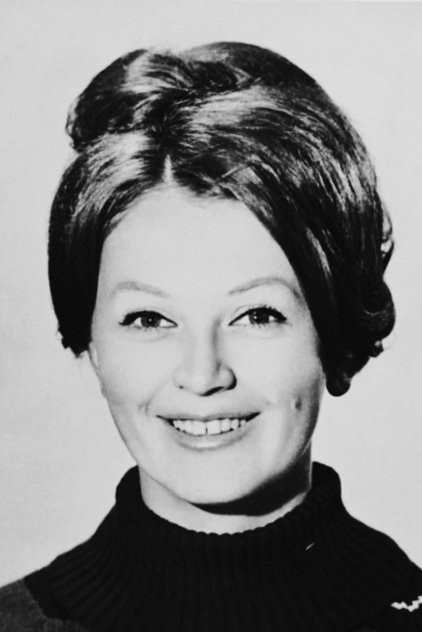
Foto Valentina Titova

Valentina Titova


Biografi

Valentina Titova is a Soviet and Russian theater and film actress.

In 1964, she graduated from the studio of Tovstonogov Bolshoi Drama Theater in Leningrad. In 1970-1992 she was an actress of the National Film Actors' Theatre in Moscow. Her film debut was an episodic role in the 1963 drama All Remains to People by Georgy Natanson.

In her graduation year, Valentina Titova played her first major film role in the drama The Blizzard (1964) directed by Vladimir Basov, based on the story of the same name by Alexander Pushkin. In 1968 she got a role in the popular movie The Shield and the Sword, which brought her more recognition. Titova's other famous roles were in the films The Dangerous Turn (1972), The Days of the Turbins (1976), Father Sergius (1978), Petrovka, 38 (1979), Carnival (1981), Professor Dowell's Testament (1984), It is not Recommended to Offend Women (2000)

Dikenal sebagai

Acting

Tanggal Lahir

06 February 1942 di Kaliningrad, Moskovskaya oblast, RSFSR, USSR
Filmografi

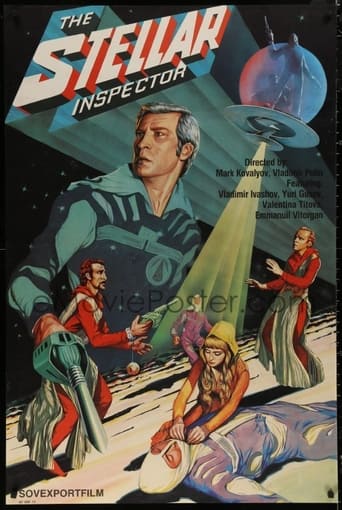
The Star Inspector

The Star Inspector

sebagai

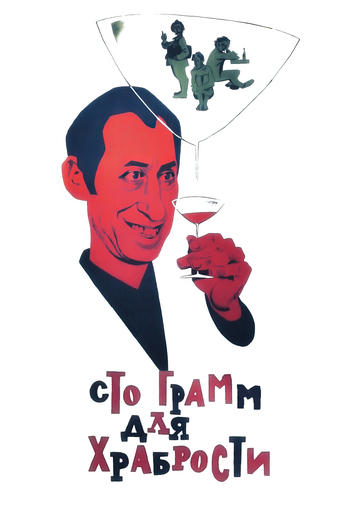
100 grams for Bravery

100 grams for Bravery

sebagai Klavdiya

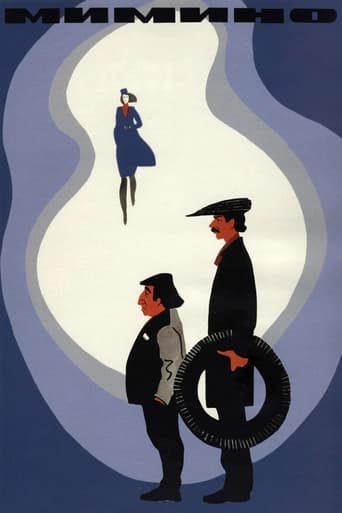
Mimino

Mimino

sebagai Rodion's wife

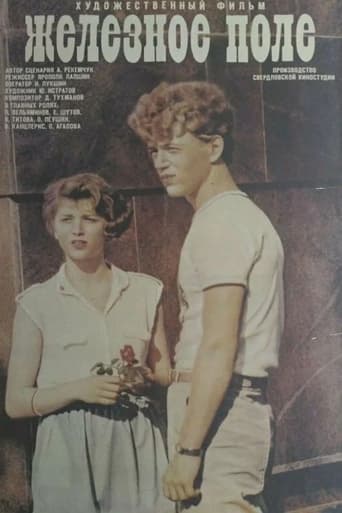
Iron Field

Iron Field

sebagai Lilya Bobylyova

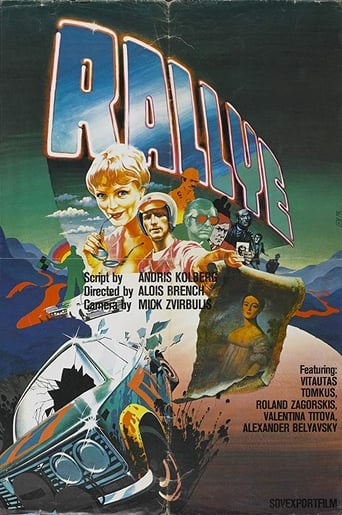
Rally

Rally

sebagai Kristina Glushkova

Step Forward

Step Forward

sebagai Streshnikova

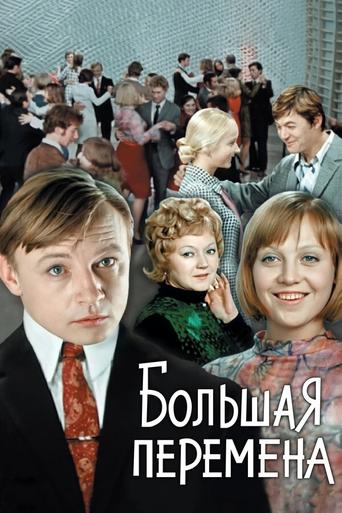
The Long Recess

The Long Recess

sebagai

Carnival

Carnival

sebagai landlady

The Roundabout

The Roundabout

sebagai Mariya Semyonovna

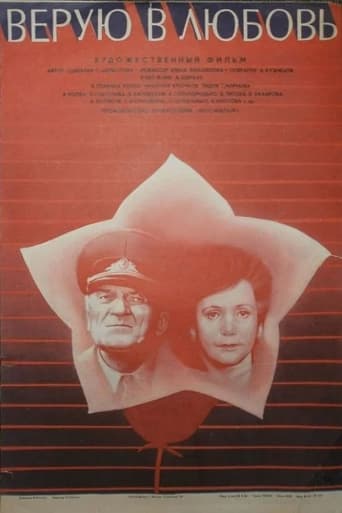
I Believe in Love

I Believe in Love

sebagai

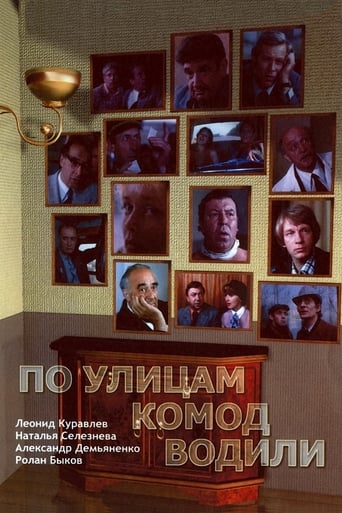
Chest of Drawers Was Lead Through the Street...

Chest of Drawers Was Lead Through the Street...

sebagai Вера Ивановна (секретарь, новелла «Урок»)

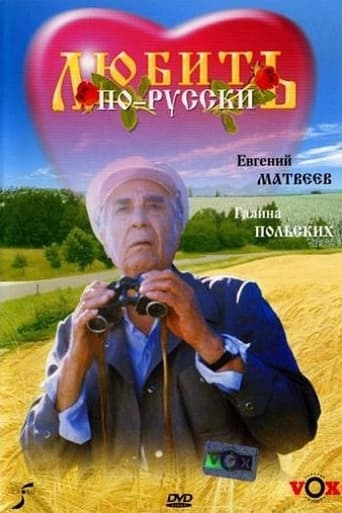
Love in Russian

Love in Russian

sebagai жена Мухина

Father Sergius

Father Sergius

sebagai Mary Korotkova

Schedule for the Day After Tomorrow

Schedule for the Day After Tomorrow

sebagai

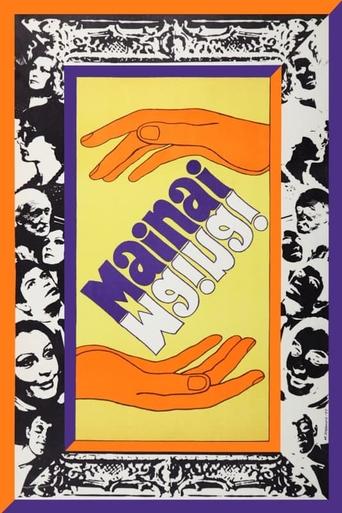
Mainai

Mainai

sebagai Lina

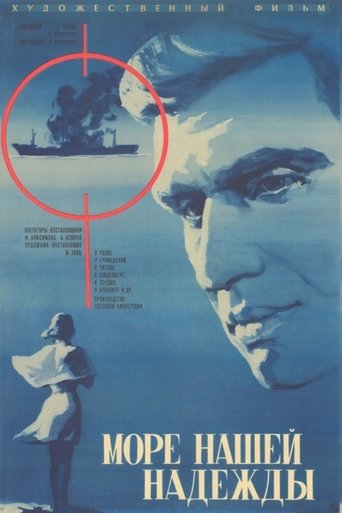
Sea of Our Hope

Sea of Our Hope

sebagai

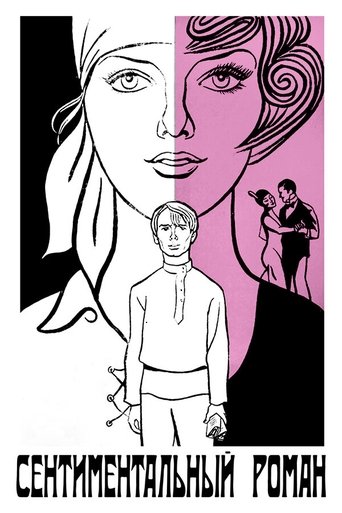
A Sentimental Romance

A Sentimental Romance

sebagai Marianna

Au-u!

Au-u!

sebagai актриса/королева («Что наша жизнь?! Или что наша жизнь?!»)